Wildfires and heatwaves in Talca: how to prevent them and what to do
Every summer the same thing happens: December arrives, the grass that grew with the winter rain dries out within a few weeks and columns of smoke start appearing on the horizon. In Talca we know what it's like to look at an orange sky on a January afternoon and wonder whether the fire is heading our way. This year Senapred, Chile's disaster-prevention service, has also issued a preventive heat alert covering the whole country from 1 November 2026 to 31 March 2027, so it's worth getting ready now. In this guide we bring together what genuinely helps: how to prevent a wildfire, what to do if you see one, how to look after yourself in a heatwave and what to have ready at home.
Why summer in Talca is wildfire season
Talca is a big city, but the countryside is only a few blocks away: Cerro La Virgen and the hills to the east, the banks of the Claro river and the Piduco stream, the farms and vineyards on the way to San Clemente, Pencahue or Maule and, inside the city itself, the vacant lots in the areas that have grown most to the north and east. All of this sits next to housing estates, gated communities and smallholdings, which is exactly what experts call the wildland-urban interface: the place where a grass fire can reach a home within minutes.
On top of that, there is something you can see with your own eyes this year: the winter rain left more grass and weeds than usual in gardens, verges and vacant lots, as Meteored warned at the end of October. When that grass dries, it becomes fine fuel that catches fire with a spark, a cigarette end or a piece of glass in the sun. And this is not a theoretical risk: according to Public Prosecutor's Office figures quoted by Radio Agricultura, 64 people were arrested for wildfires in the Maule Region between November 2025 and April 2026. Many of those cases involve carelessness rather than bad intent: burning rubbish, a barbecue not properly put out or a machine giving off sparks.
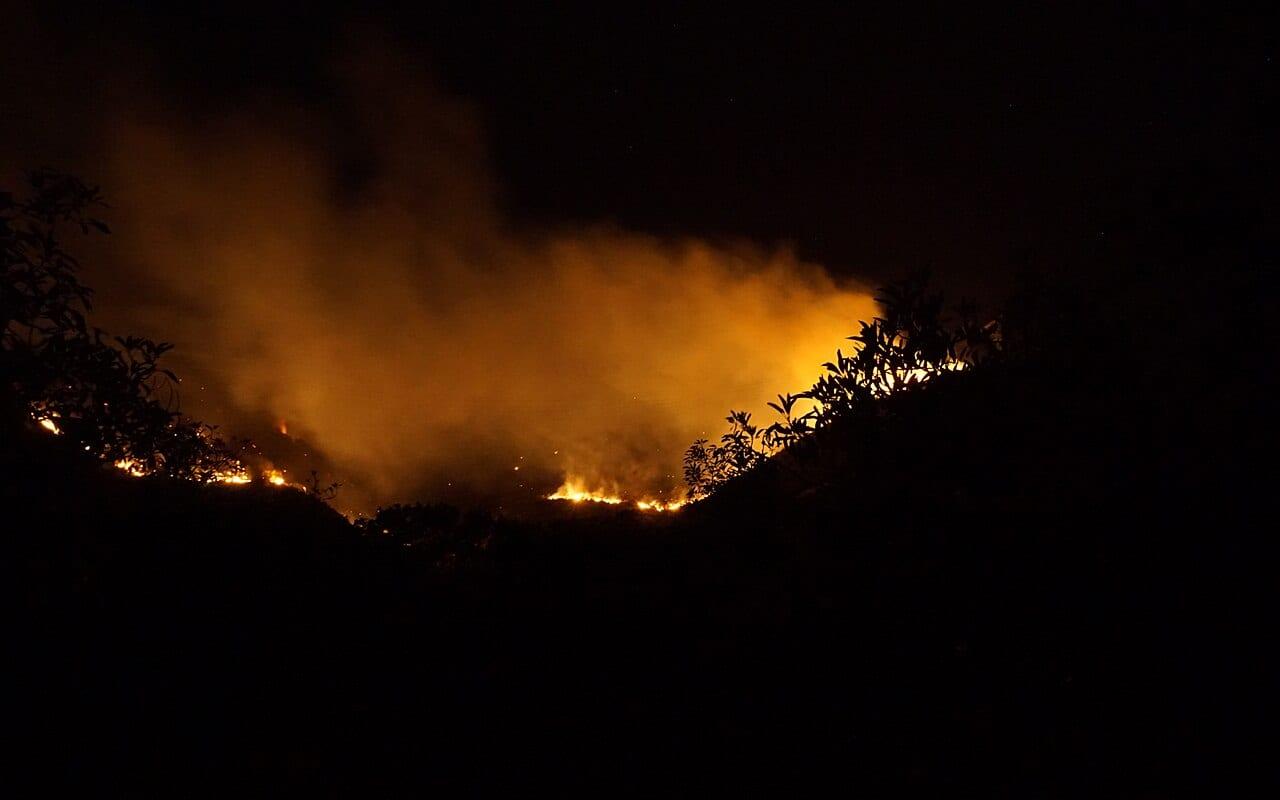
How to prevent wildfires at home and in the countryside around Talca
Prevention starts in your own garden. The most important thing is to create a firebreak around the house: cut grass and weeds within at least 10 metres, remove dry branches, leaves in the gutters and any cardboard or firewood stacked against the walls. If there's a vacant lot next door, talk to the owner or the residents' association about clearing it before December; in many districts the council can help remove branches or clear illegal dumping spots.
Away from home, the rules are simple and get broken every summer. Don't throw cigarette ends out of the car window, especially on rural roads with grassy verges. Don't leave bottles or glass in the countryside, because they concentrate sunlight. If you need to weld, cut metal or use a motorised brush cutter, do it early in the day, with a bucket of water or a hose nearby, and never on windy days. And if you have a barbecue, use a grill in a clear area and put the embers out with water, not soil, before going to bed.
Agricultural burning in Talca: what CONAF says
In a farming area like ours, burning stubble is still common practice, and it is one of the most frequent causes of fires. Using fire in the countryside is regulated by Supreme Decree 276, and any controlled burn requires following the regional calendar and first filing a burn notice (Comprobante de Aviso de Quema) with CONAF, Chile's forestry agency. Last season, burning was banned in the Maule Region until 31 March, and CONAF's regional directors can restrict or suspend the dates when weather conditions call for it.
So before you even think about burning, check the current calendar on CONAF's website or ask at its provincial office. If burning is banned, the alternative is to chop the stubble, work it into the soil or compost it. Burning during a ban, or without notice, doesn't just risk fines and criminal charges if the fire gets away: it also puts your neighbours, forest brigades and the volunteer firefighters who will have to put it out at risk.
What to do if you see a wildfire in Talca
If you see smoke or fire on a hill, a farm or a vacant lot, call straight away. CONAF's wildfire emergency number is 130; you can also call the fire brigade on 132 or Carabineros (police) on 133. Don't assume someone else has already called: often everyone thinks the same and the alert arrives late. Give the most precise location you can: the road, the kilometre marker, a smallholding or a well-known landmark, and say which way the smoke is moving.
If the fire is close to your home, don't stay to watch or film it on your phone. Always follow the instructions of Senapred, Carabineros and the fire brigade, and if you are told to evacuate, do it without waiting. Know your area's exit route, and make sure there is more than one. Keep your car's tank full during the summer, and if you live in areas such as Panguilemo, Las Rastras or the edges of Cerro La Virgen, talk to your neighbours about where you would meet and how you would warn each other if mobile signal goes down. You'll always find the emergency numbers on our Talca useful information page.
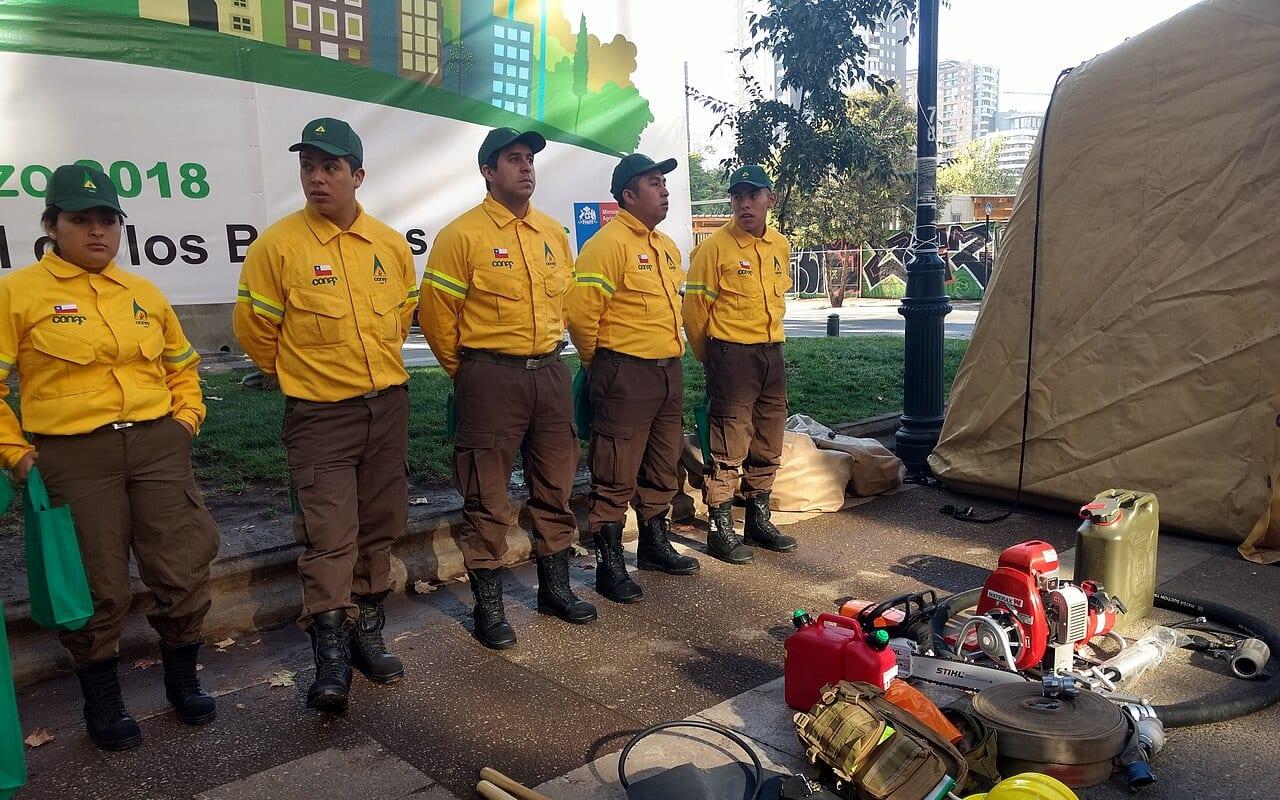
Heatwaves in Talca: how to stay safe
In Talca, January highs regularly go above 30 °C, and in a heatwave they can comfortably exceed 35 °C. Extreme heat isn't just uncomfortable: it can cause dehydration and heatstroke, especially in older people, young children, pregnant women, people with chronic illnesses and those who work outdoors, such as seasonal farm workers or builders. According to the Ministry of Health, Chile activates its national extreme-heat plan every year between November and March.
The advice from Senapred and the Ministry of Health is simple, but you have to follow it: drink water often even if you're not thirsty, avoid the sun between 11:00 and 17:00, wear light, pale clothing, a hat and sunscreen, and never leave children, older people or pets in a parked car. Check the forecast on our Talca weather page and call that older neighbour or relative who lives alone: a visit or a call on the hottest afternoon of the year can make all the difference. If someone feels dizzy, has very hot and dry skin, is confused or vomiting, move them into the shade, cool them down and call SAMU, the ambulance service, on 131.
Emergency kit and family plan for summer in Talca
A fire or a long power cut is much easier to deal with when the basics are already ready at home. We recommend keeping in a backpack: bottled water for at least two days, a torch with spare batteries, a battery-powered radio, a power bank for your phone, a first-aid kit with everyone's daily medication, copies of important documents (or photos saved in the cloud), some cash, face masks for smoke and food for your pets.
A family plan doesn't have to be complicated: everyone should know the emergency numbers, where the backpack is, the meeting point if you have to leave and which relative outside the city to contact. If someone at home has reduced mobility, decide now who will help them. And since smoke and heat often come with power cuts, our guide to power and water cuts in Talca may also help. If you urgently need medicine in the middle of summer, our Talca pharmacies category has addresses and opening hours.
Wildfires and heat in Talca: frequently asked questions
What number do I call if I see a wildfire? CONAF's 130. You can also call the fire brigade (132) or Carabineros (133). Give the most precise location you can and say which way the smoke is moving.
Can I burn crop stubble in summer? Generally not: in the Maule Region burning is usually banned during the highest-risk season, and outside it you need CONAF's burn notice. Always check the current calendar before using fire.
How long does the heat alert last? Senapred activated it from 1 November 2026 to 31 March 2027 nationwide. It can be raised to an early-warning or yellow alert on days of extreme heat.
What should I do about a vacant lot full of grass next to my house? Talk to the owner or your residents' association and, if there's no response, ask the council for help. You'll find the details of council offices in our Talca public services category. Looking out for each other as neighbours is, in the end, the best way to have a calm summer.
Francisco Javier Morales
Founder of Talca Conecta
You may also be interested in
Phone and WhatsApp scams in Talca: how to avoid them and where to report
The phone and WhatsApp scams circulating most in Talca, the signs to spot them, how to protect your accounts, what to do if you've been scammed, how to ask your bank for a refund (Law 21,673) and where to report it.
By Francisco Javier Morales
Power and water cuts in Talca: who to call and how to complain
What to do in Talca when the power or water goes off: company phone numbers, scheduled outages, water supply points, automatic compensation and how to complain to the SEC and SISS step by step.
By Francisco Javier Morales
PAES 2026 in Talca: dates, times, test centre and tips
A guide for students in Talca taking the PAES 2026: dates and times of each test (30 November to 2 December), how to find your test centre, what to bring, results, applications and universities and institutes in Talca.
By Francisco Javier Morales