PAES 2026 in Talca: dates, times, test centre and tips
Talca is the university capital of the Maule Region, and at the end of every year thousands of students from the city and neighbouring districts such as Maule, San Clemente, Pelarco or Pencahue come to its schools and universities to sit the test that shapes their academic future. According to DEMRE's official calendar, the PAES Regular 2026, Chile's university entrance test (Prueba de Acceso a la Educación Superior) for the 2027 intake, takes place on Monday 30 November, Tuesday 1 and Wednesday 2 December 2026. In this guide we cover the times of each test, how to find out where you will sit it, what to bring, when results come out and what study options you have in Talca.
PAES 2026 dates: test calendar in Talca
The PAES is taken over three consecutive days at the same time across Chile, so Talca follows exactly the same calendar as the rest of the country. According to DEMRE, on Monday 30 November students visit their test rooms between 12:00 and 13:00, and at 15:00 the Mathematics 2 test (M2) is held, which is only taken by those who need it for the degrees they want to apply for.
On Tuesday 1 December, at 9:00, the Reading Competence test is held, and at 15:00 the Science elective. On Wednesday 2 December, at 9:00, it's Mathematics 1 (M1), and at 15:00 the History and Social Sciences elective. Remember that you only sit the tests you registered for in June and July: check which ones are yours before planning your week.
The PAES room visit in Talca
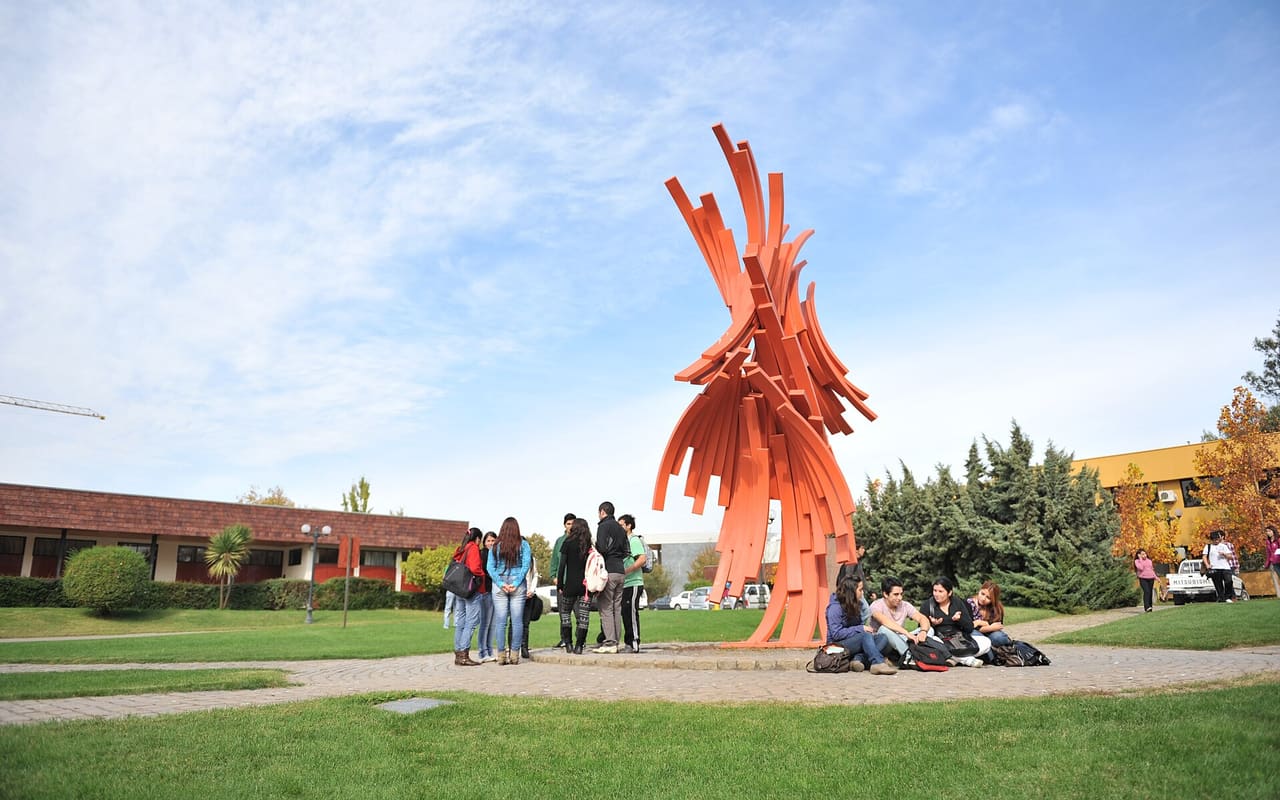
The room visit on Monday 30 November, from 12:00 to 13:00, is more useful than it seems. In Talca many test centres are large schools or university campuses with several buildings and entrances, and finding the right room at 8:30 on Tuesday can be stressful if you've never been there. That day you find your room, learn the way and work out how long it takes you to get there from home by bus, shared taxi or car.
If you're coming from another district or from an outlying area such as Panguilemo or Las Rastras, the room visit matters even more: check rural bus times and bear in mind that on Tuesday morning there will be more traffic than usual near the test centres. If you registered for M2, remember that it is held that same Monday at 15:00, so plan your lunch after the room visit.
How to find your PAES test centre in Talca
DEMRE assigns your test centre, usually based on the home address or school you gave when you registered; you can't choose it. According to Ayuda Mineduc, test centres are published on DEMRE's official website (demre.cl) a few days before the test. Once they are available, log in to the DEMRE portal and download the updated version of your identification card (tarjeta de identificación), which shows your test centre and room.
Print that card and keep a copy on your phone. Don't use the old card you downloaded when you registered, because it didn't yet show your test centre. If you find a mistake in your details or your test centre doesn't appear, contact DEMRE through its official channels as soon as possible, not on the day of the test.
What to bring on PAES 2026 day and what to leave at home
The official list of permitted items is published at demre.cl, and it is the only valid source: check it before each test. As a general rule, bring your valid ID card and your identification card showing your test centre, because without identification you won't be let in. Also bring a graphite pencil and an eraser, and a bottle of water: December afternoons in Talca tend to be very hot, and the afternoon tests start at 15:00, the hottest time of day. Check the forecast on our Talca weather page.
Leave at home anything you don't need. Mobile phones, smartwatches and other electronic devices can't be used during the test, and having them switched on can mean your test is cancelled. Arrive 30 to 45 minutes early, have a light breakfast and sleep well: a good night's rest is worth more than one last hour of revision.
PAES 2026 results and university applications
According to DEMRE's calendar, the application simulator closes on 15 December at 12:00, and PAES Regular results are published on Monday 4 January 2027 at 8:00. That same day, at 9:00, applications open, closing on Thursday 7 January at 13:00. You can apply for up to 20 programmes in order of preference: put the one you want most first, because the system always tries to give you the highest option possible.
Selection results are published on 18 January at 12:00. The first enrolment stage runs from 19 to 21 January, and the second, for waiting lists, from 22 to 28 January. The FUAS 2027 deadline for scholarships, free tuition and loans closed on 6 November; if you missed it, check the Student Benefits Portal (Portal de Beneficios Estudiantiles) for any appeal period or second round.
Where to study in Talca after the PAES
A big advantage of living in Talca is that you don't need to leave the city to study almost any degree. There are the Universidad de Talca, Lircay Campus, the Universidad Católica del Maule, San Miguel Campus and the Universidad Autónoma de Chile, Talca branch. For technical and professional programmes there are Santo Tomás Talca, INACAP Talca and the CFT San Agustín.
If you're coming from another district and plan to study in Talca, check buses and times from your town in our Talca transport guide. And if the test didn't go as you hoped this year, you can prepare for the next one at a pre-university course in the city, such as Cpech Talca or Preuniversitario Pedro de Valdivia. You'll find more institutions in the Education in Talca category.
Tips for a calm PAES 2026 in Talca
In the days that remain, revise what you already know instead of learning new topics, do practice tests with the real time limit for each test and go over the mistakes you make most often. Sleep well the whole week before, keep regular mealtimes and take short breaks. If you get nervous, remember that the PAES measures skills you've built over years at school, and that there are many paths to the degree you want.
For parents, the best support is to be there without adding pressure: help with transport, make sure the student eats and rests, and avoid comparisons. If you'd like to see the scores of schools in the district, check our page of PAES and SIMCE results for Talca schools, and if you're thinking about a school for a younger child, read our guide on how to apply to a school in Talca.
PAES 2026 in Talca: frequently asked questions
When is the PAES 2026? The PAES Regular 2026 (2027 intake) takes place on Monday 30 November, Tuesday 1 and Wednesday 2 December 2026. The room visit is on Monday 30, from 12:00 to 13:00.
Where do I sit the PAES in Talca? DEMRE assigns the test centre, and it appears on your updated identification card, which you can download at demre.cl a few days before the test.
When are PAES 2026 results published? On Monday 4 January 2027 at 8:00, on DEMRE's website. Applications run from 4 January at 9:00 to 7 January at 13:00.
Which universities are there in Talca? The Universidad de Talca, the Universidad Católica del Maule and the Universidad Autónoma de Chile, as well as Santo Tomás, INACAP and the CFT San Agustín, among others. Best of luck to all the students from Talca taking the PAES this year.
Francisco Javier Morales
Founder of Talca Conecta
You may also be interested in
Phone and WhatsApp scams in Talca: how to avoid them and where to report
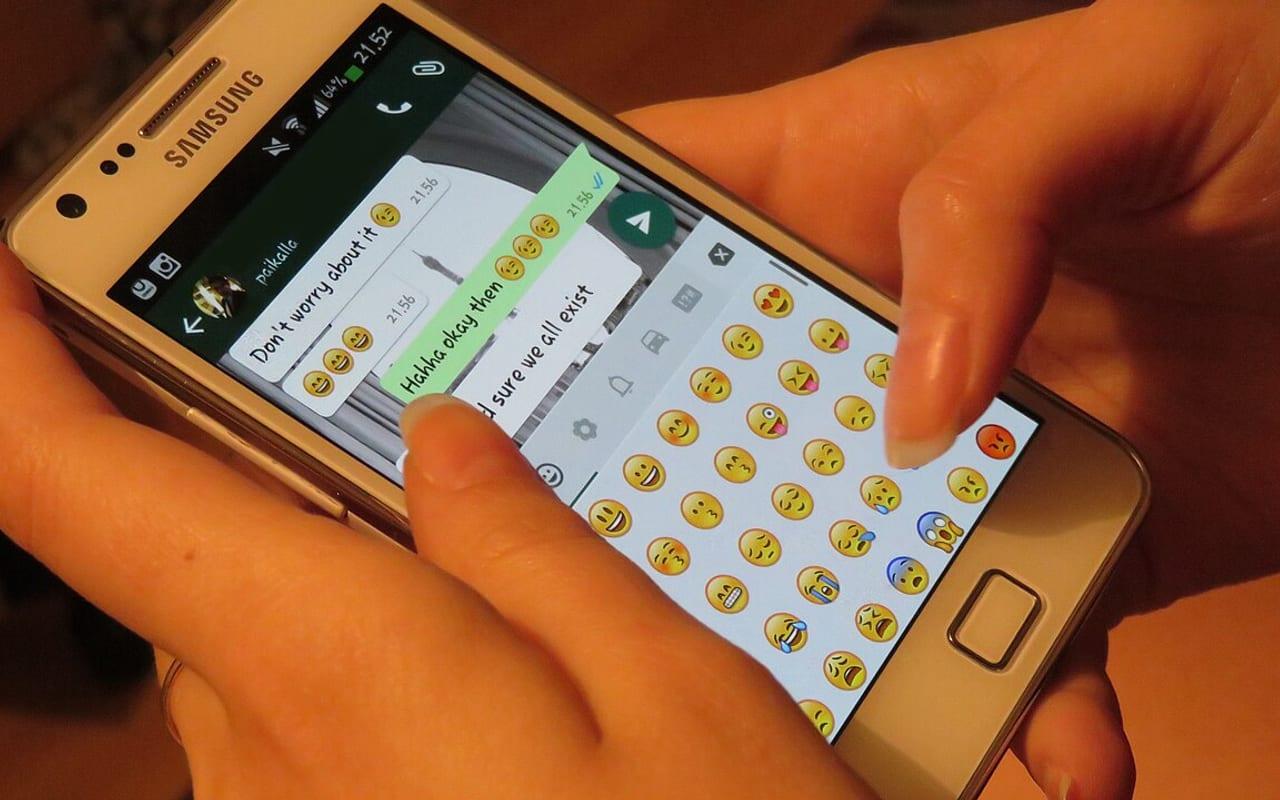
The phone and WhatsApp scams circulating most in Talca, the signs to spot them, how to protect your accounts, what to do if you've been scammed, how to ask your bank for a refund (Law 21,673) and where to report it.
By Francisco Javier Morales
Power and water cuts in Talca: who to call and how to complain
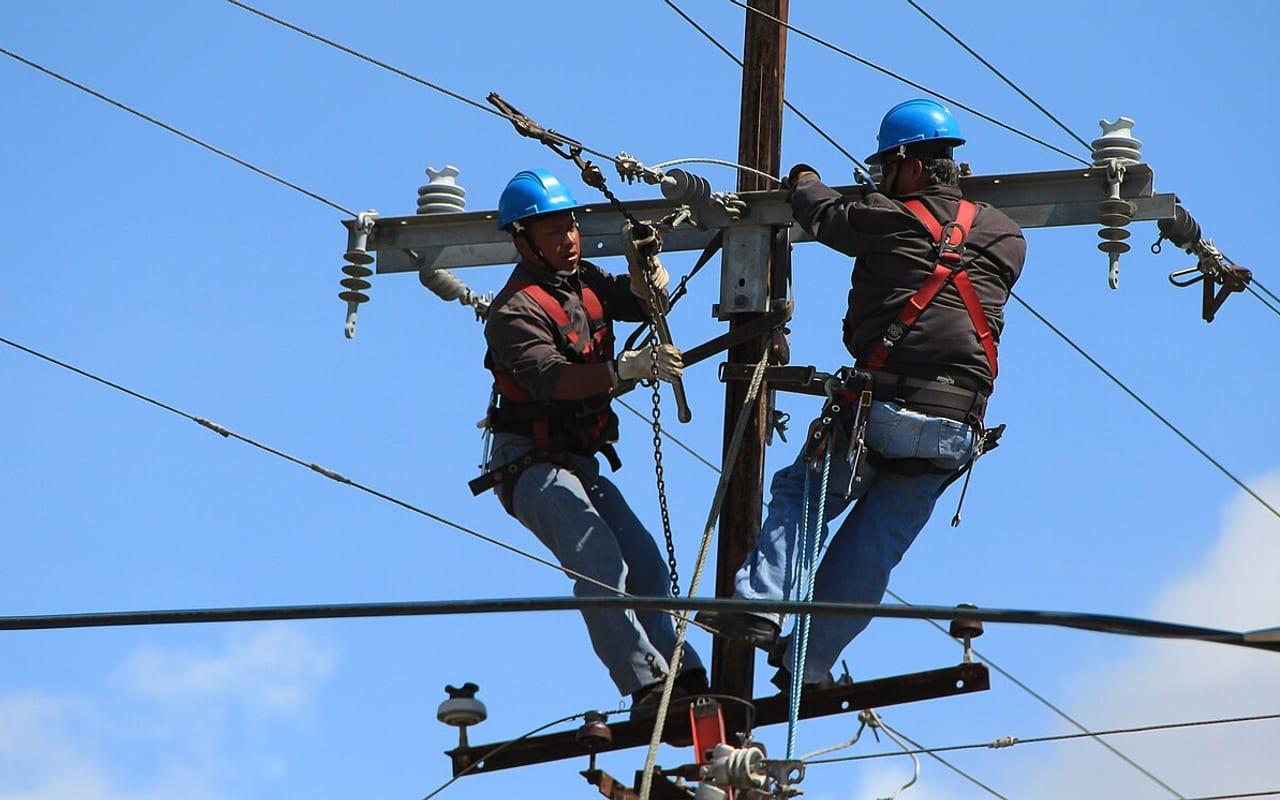
What to do in Talca when the power or water goes off: company phone numbers, scheduled outages, water supply points, automatic compensation and how to complain to the SEC and SISS step by step.
By Francisco Javier Morales
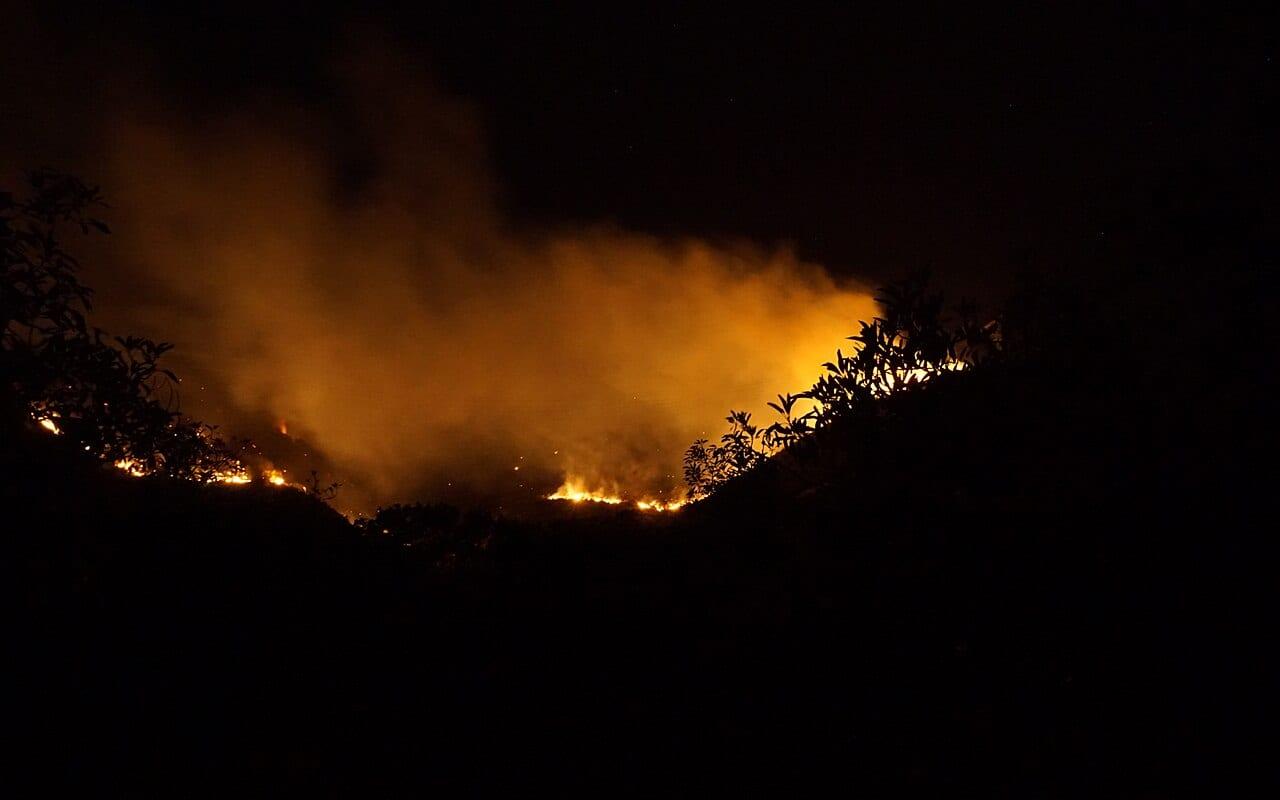
Wildfires and heatwaves in Talca: how to prevent them and what to do
A summer guide for Talca: how to prevent wildfires at home and in the countryside, what CONAF says about burning, who to call if you see fire (130), how to stay safe in a heatwave and what to pack in your emergency kit.
By Francisco Javier Morales