Tourism in Talca and the Maule Region: the ultimate guide
Talca is often just a stop along the way for people driving south on the Pan-American Highway, without pausing to see what the area and its surroundings really have to offer. Between the farming valley, the Claro River and the Vilches foothills, there's enough variety to fill a whole weekend without traveling any farther.
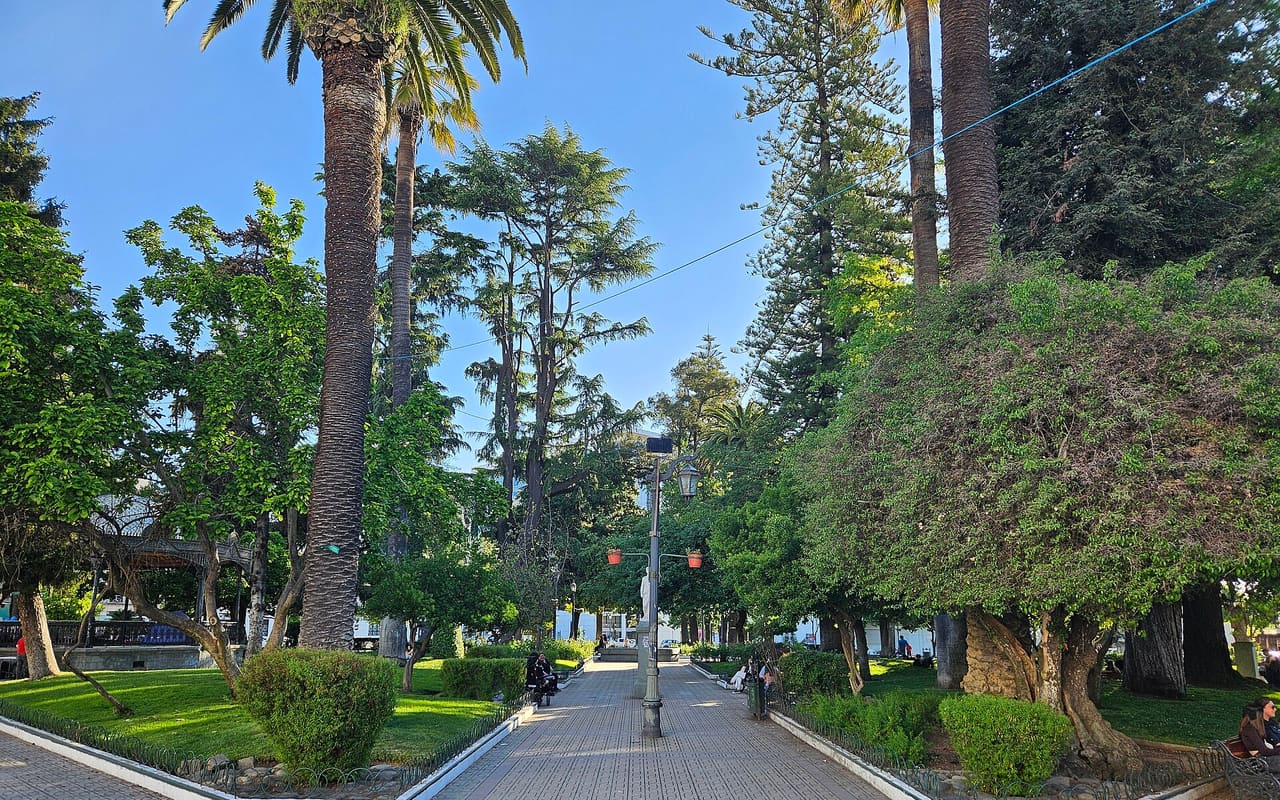
The natural starting point is the city center. The Plaza de Armas of Talca, with its century-old trees, is a good place to begin any tour, and from there you can walk around the historic center, with early-20th-century buildings that survived the area's earthquakes. If you're traveling with children, the area has playgrounds and plenty of cafés nearby for a break.
A few blocks west of downtown runs the Claro River, which borders the city. Along its bank is the new Río Claro Park, with trails and green areas for walking, and close by you can climb Cerro La Virgen, one of Talca's best-known lookouts, with a view over the whole city. It's a free plan, ideal if the goal is simply to walk, ride a bike and unwind for a while without leaving town.
The Maule Region is one of Chile's most important wine regions, and Talca is at the heart of that production. Several local vineyards welcome visitors by reservation, offering tours of the vineyards and guided tastings. You don't need to be a wine expert to enjoy an afternoon like that: most tours are designed to explain the process from scratch, and they usually include some food to go with the tasting.
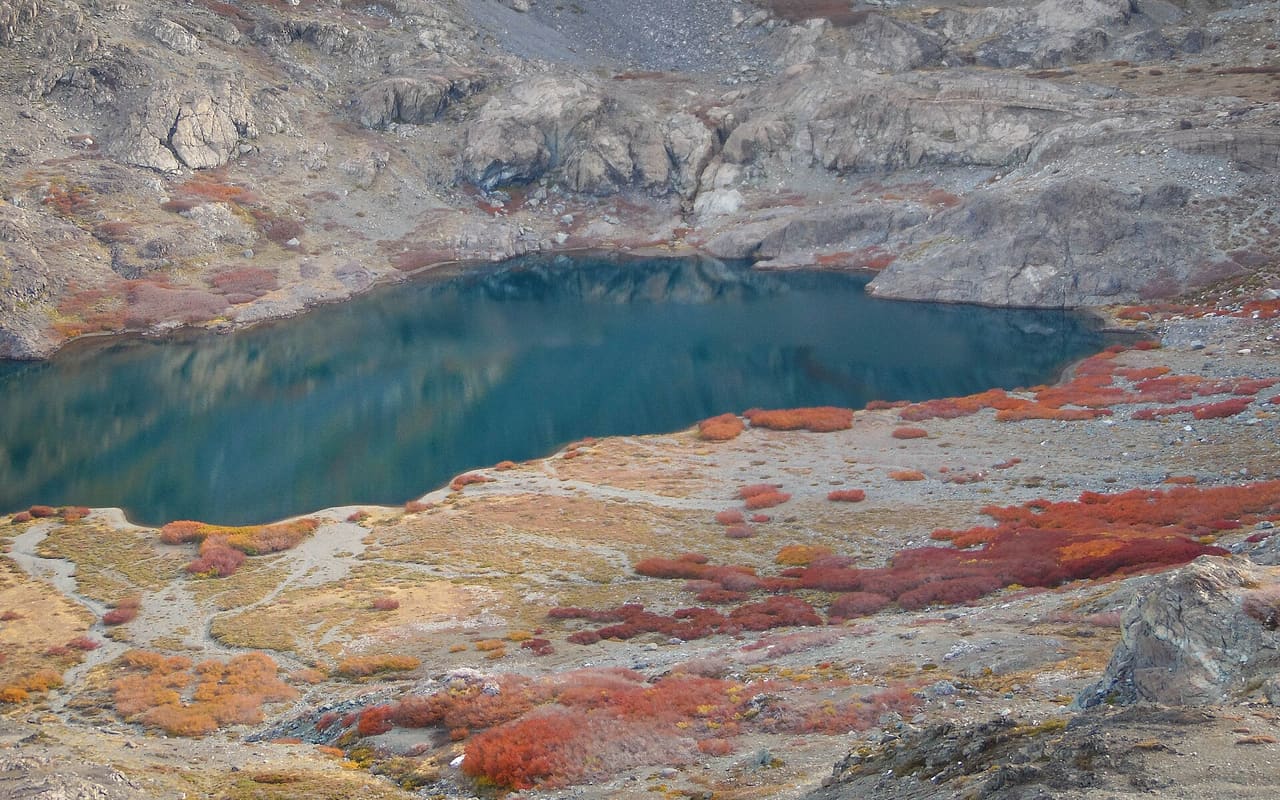
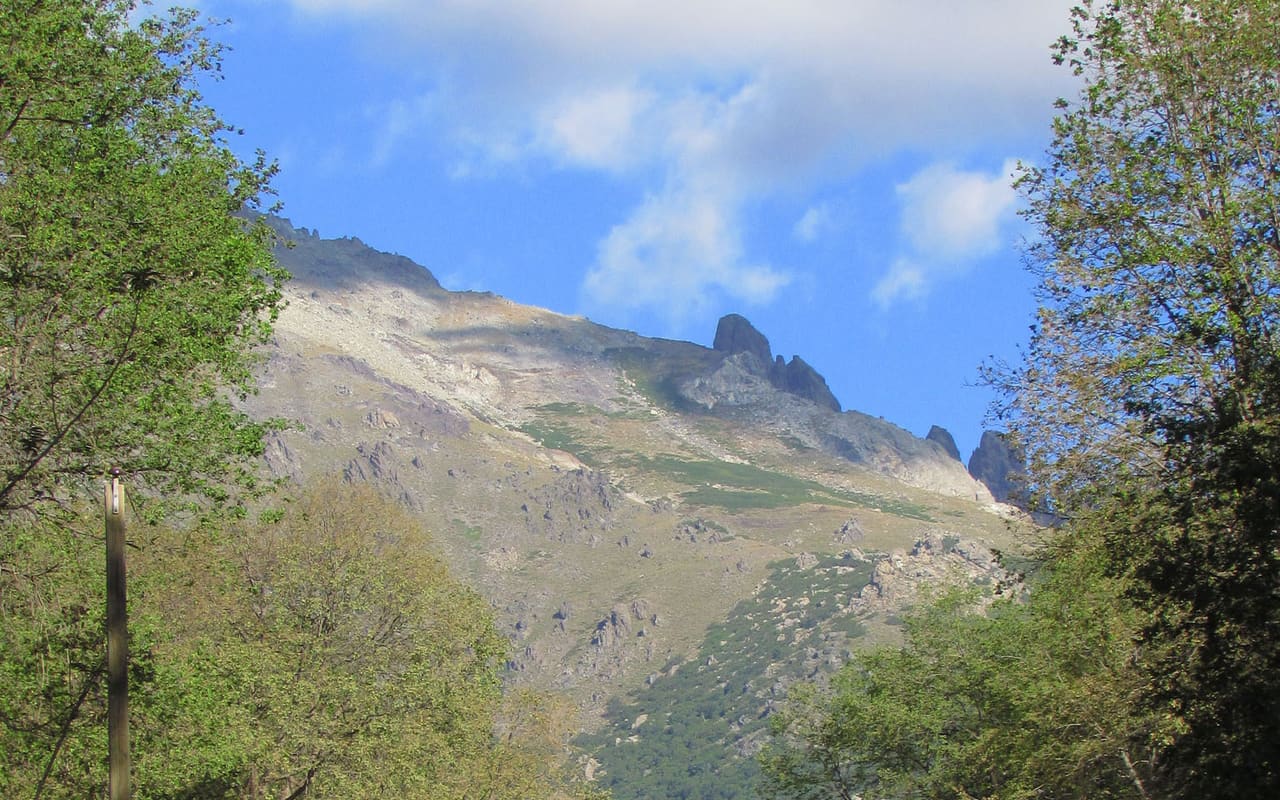
For those who prefer more demanding outdoor activities, Vilches and Altos de Lircay National Park are just over an hour from Talca, in the Andean foothills. There are trails of varying difficulty, from short walks to full-day treks to viewpoints and waterfalls. It's best to dress in layers, because the temperature changes considerably between the valley and higher up, even in the warmest months.
The local food is another reason to stay longer than planned. Maule cooking has country dishes not always found in other regions: a more rustic take on pastel de choclo (corn pie), cazuelas with seasonal vegetables, and homemade desserts that make the most of local fruit in season. Several restaurants and traditional eateries (picadas) in downtown Talca keep these recipes practically unchanged from generation to generation.
If your plan includes staying overnight, Talca has accommodation for different budgets: hotels right downtown for those who prioritize convenience and comfort, and rural cabins near the river or on the way to the mountains for those looking for a more natural setting. In high season (January, February and long weekends) it's best to book ahead, especially the cabins by the river, which fill up fast.
Getting around the area is easier by car, since several of these destinations —the river, the vineyards, Vilches— are outside the urban area and public transport is limited outside peak hours. If you don't have a vehicle, several tour agencies in Talca offer organized tours that include transport, which simplifies logistics quite a bit, especially for visitors from other cities.
The best time to visit depends on the kind of trip you want: December to March is ideal for the river and outdoor activities, while March and April —harvest season— is the best time for vineyard visits. Winter, although colder, has its own charm in the foothills, with landscapes very different from summer and far fewer people on the trails.
In short, Talca works very well as a base for exploring the Maule region without moving from city to city: within an hour's radius you have a river, vineyards, mountains and a solid food scene. You can check the listings for hotels, cabins and tour agencies in the area directly in this directory's Tourism and Lodging category to plan your itinerary.
Francisco Javier Morales
Founder of Talca Conecta
You may also be interested in
History of Talca: facts every local should know
The history of Talca in a nutshell: its founding in 1742, the meaning of its name, the signing of the Declaration of Independence in 1818, the 1928 earthquake, Maule wine and other facts every local should know.
By Francisco Javier Morales
Cinema in Talca: where to watch movies and free screenings in 2026
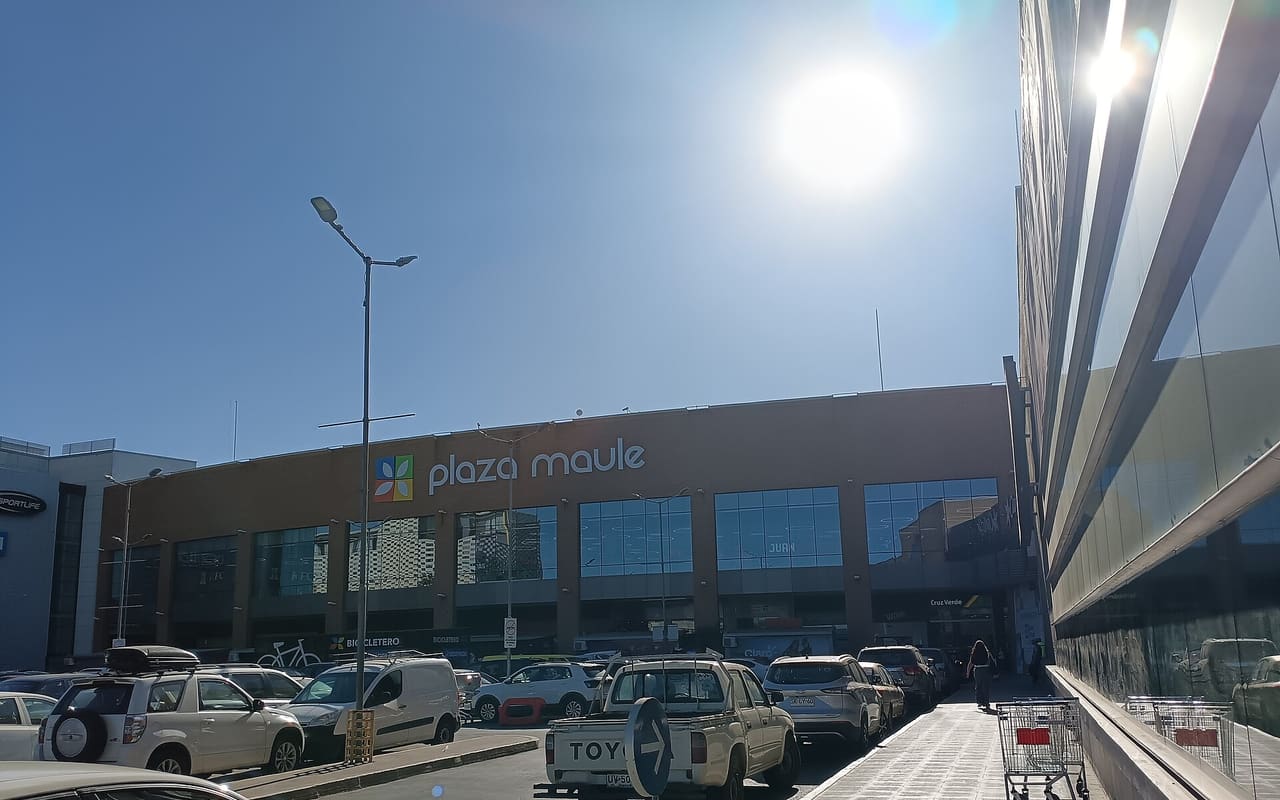
A guide to cinema in Talca: Cinépolis Plaza Maule, free film series at the University of Talca, the Felina Festival, screenings at the Teatro Regional del Maule and tips for going to the movies in Talca.
By Francisco Javier Morales
Altos de Lircay National Reserve: the complete travel guide from Talca
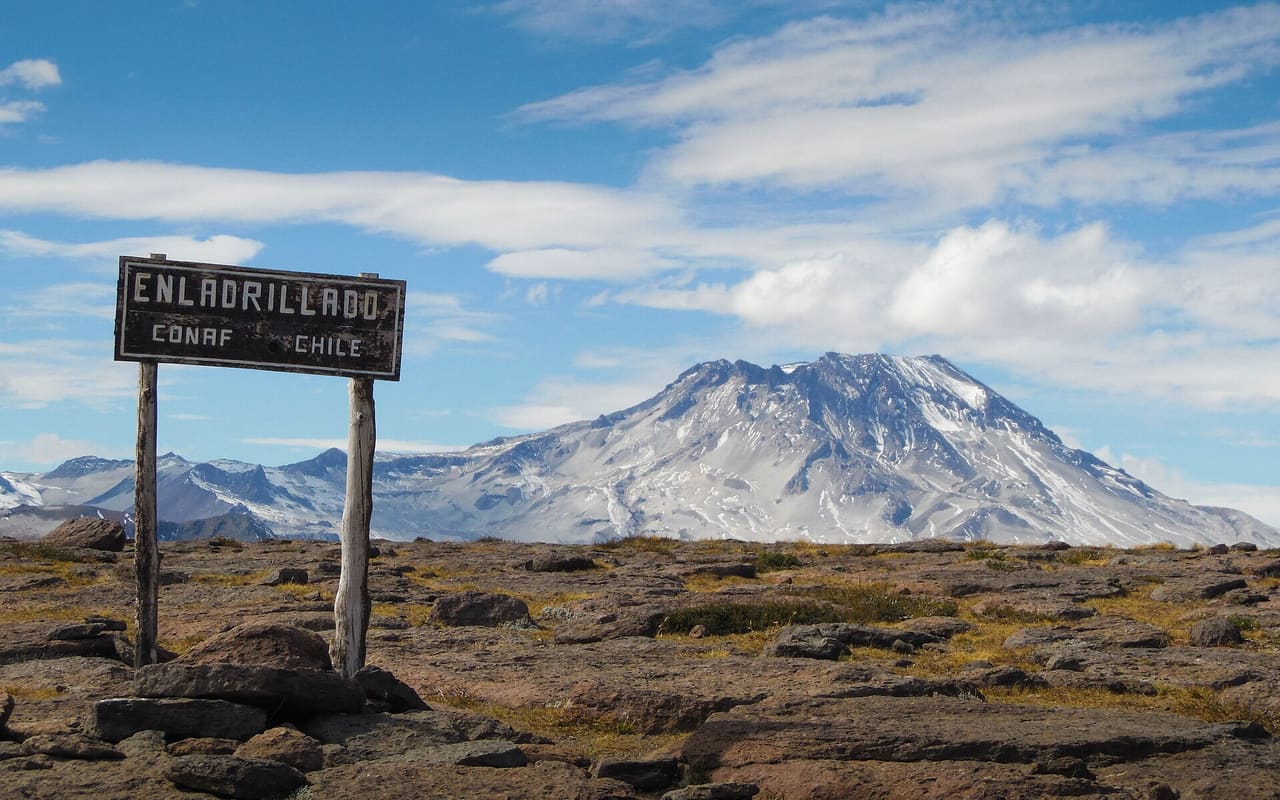
Guide to the Altos de Lircay National Reserve, 70 km from Talca, Chile: how to get there by car or bus, trails such as El Enladrillado and Laguna del Alto, fees, opening hours, camping and what to bring to this Andean gem of the Maule Region.
By Francisco Javier Morales