History of Talca: facts every local should know
We walk through the Plaza de Armas, pass the Cathedral and find our way along streets with names as unusual as 1 Sur or 3 Oriente, yet we often don't know how it all began. This guide brings together the history of Talca and the facts every local should know: when the city was founded, what its name means, why Talca is key to Chile's independence, how earthquakes shaped it and what made it the capital of the Maule Region. It isn't a history book, just a clear summary to help you know and love our city a little more.
The founding of Talca in 1742
Talca was founded on 12 May 1742 by governor José Antonio Manso de Velasco under the name Villa de San Agustín de Talca. It wasn't the first attempt: settlements had existed near the Claro River in the 17th century, and in 1692 governor Tomás Marín de Poveda tried to found a town that did not prosper. The Augustinian order had a church in the area and had pledged land for the town, which is why the city bears the name of Saint Augustine, as does its Cathedral.
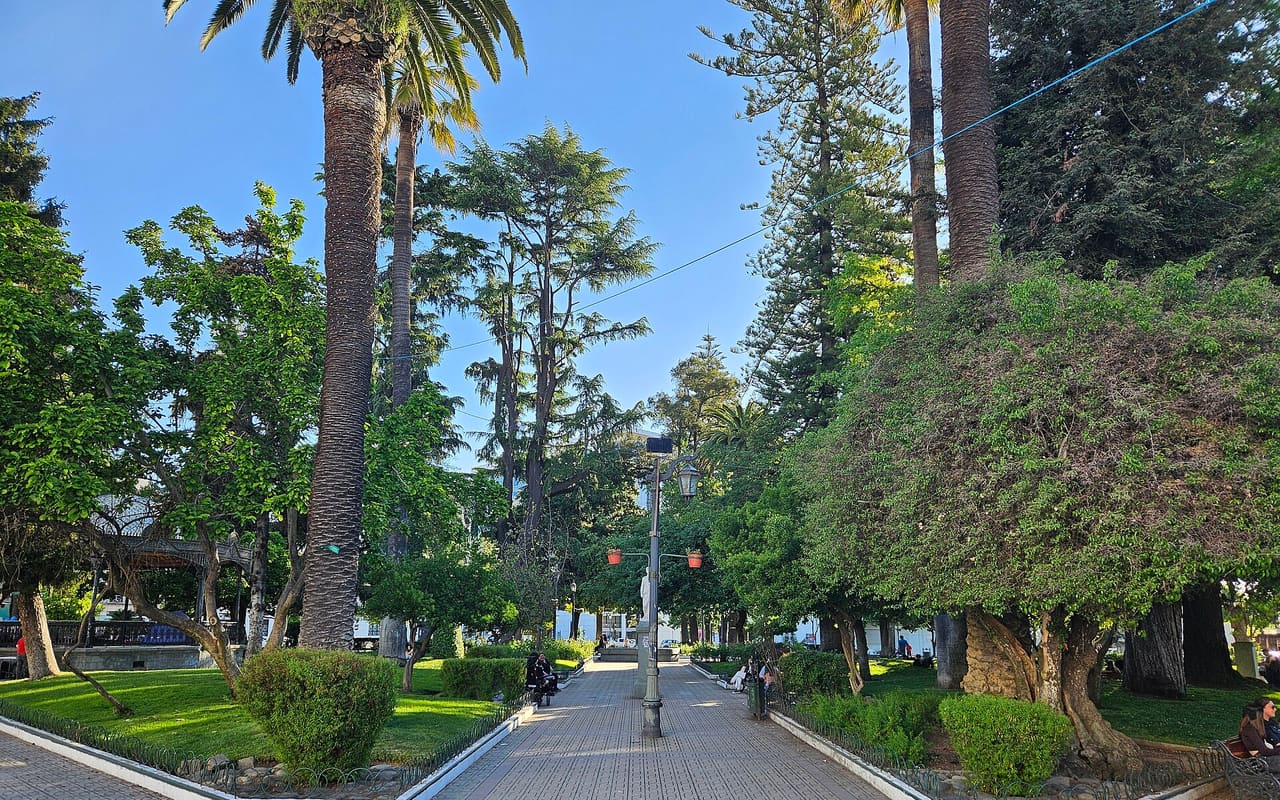
The town was laid out on the classic colonial model: a central square and straight streets forming blocks. That grid gave rise to one of Talca's best-known features: its numbered streets. Streets running east to west are called Norte or Sur depending on their position relative to 1 Sur and 1 Norte, and those running north to south are called Oriente or Poniente. So an address like "2 Norte corner of 5 Oriente" lets you find your way on the map almost without getting lost. In 1796 King Charles IV granted it the title of city.
What does the name Talca mean?
The name Talca comes from the Mapuche word "tralka", meaning thunder. That's why Talca is also known as the "city of thunder", a term that appears in the names of clubs, shops and local media. Another nickname is "the city of the Piduco", after the stream that runs through it and was part of daily life for centuries.
People born in Talca are called talquinos. The city is the capital of the province of Talca, created in 1833, and today it is also the capital of the Maule Region, making it the region's main administrative, commercial, university and services hub.
Talca and Independence: the 1818 Declaration
Talca holds a central place in the history of Chilean independence. Between October 1813 and February 1814 the Government Junta sat in the city, and nearby took place the Battle of Cancha Rayada in 1814 and the Surprise of Cancha Rayada in 1818, a hard defeat for the patriot army just days before the victory at Maipú.
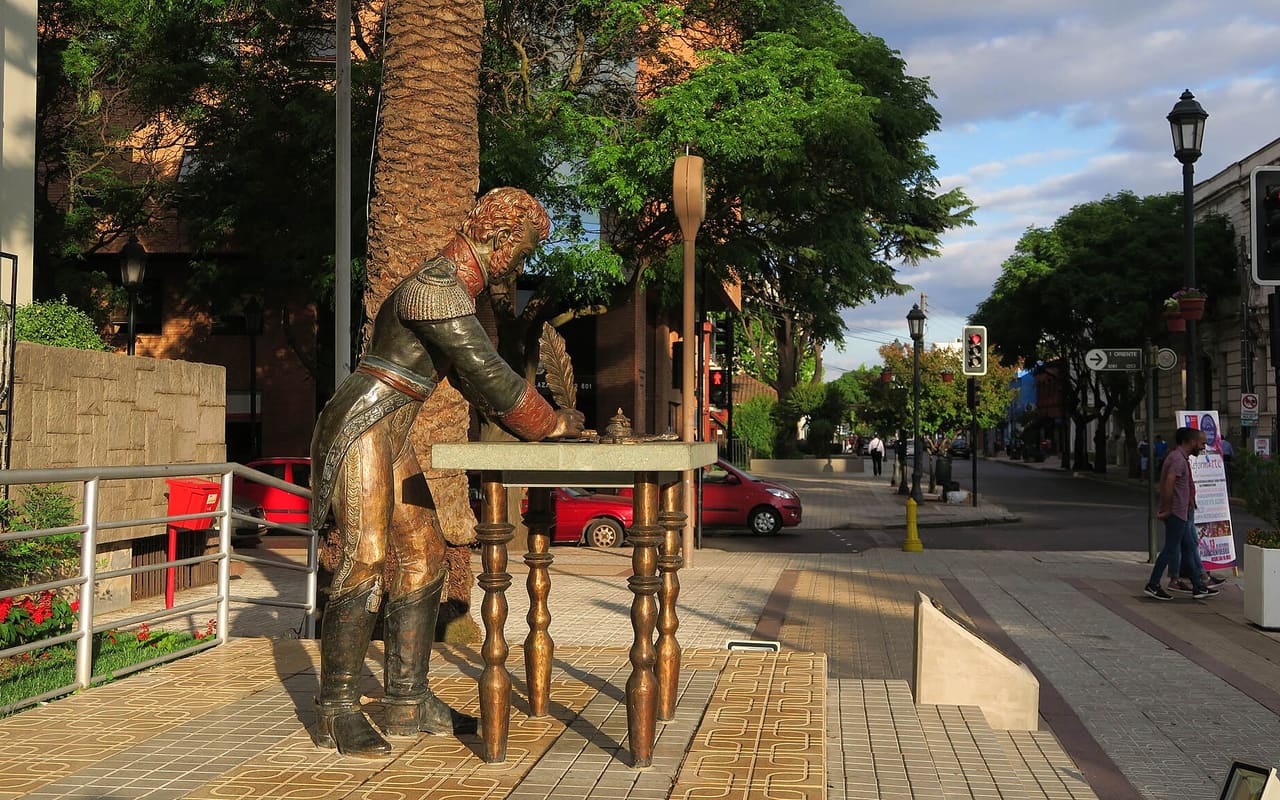
But the most important event is another: on 2 February 1818 Bernardo O'Higgins signed the Declaration of Independence of Chile in Talca, and on 12 February the city held the independence oath. The old house linked to O'Higgins and the signing is now home to the O'Higginian and Fine Arts Museum at 1 Norte 875, and a sculpture in the city centre shows him signing the document. That's why Talca is considered one of the cradles of Chilean independence.
The earthquakes that changed Talca
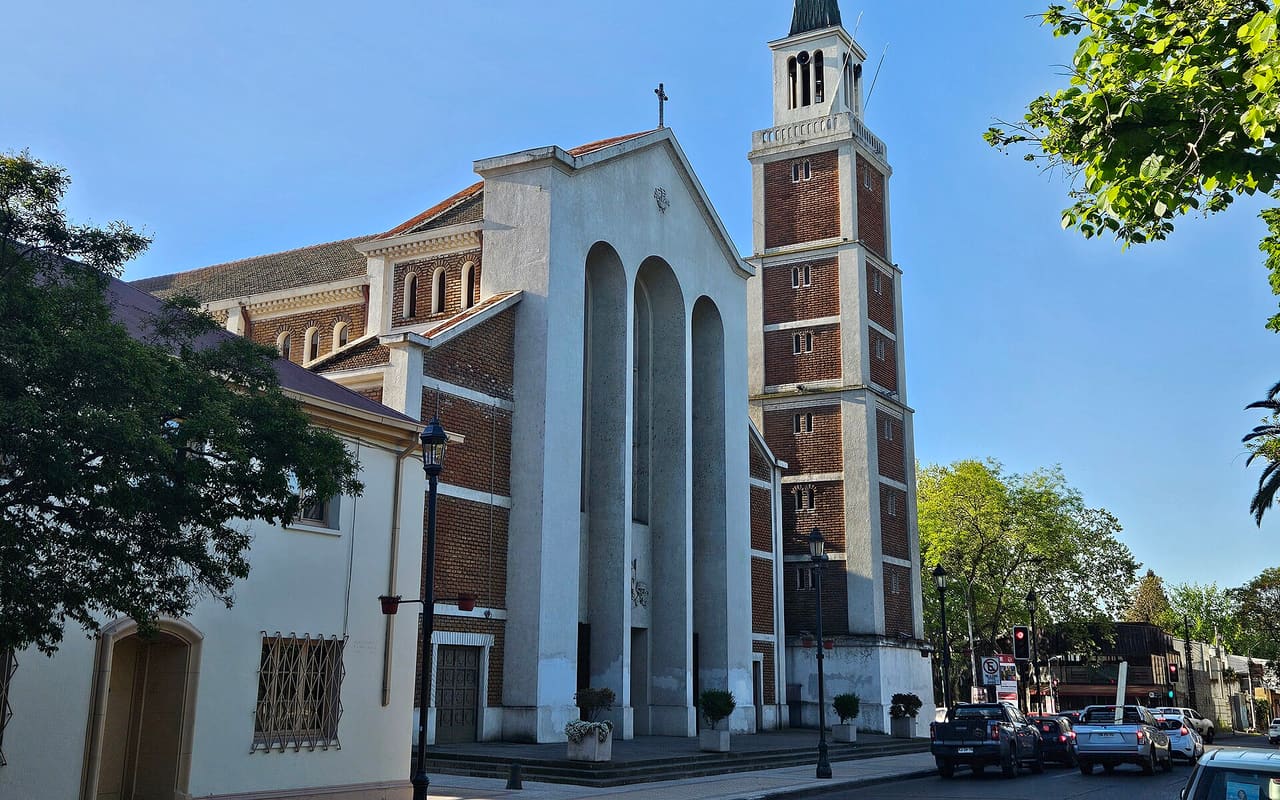
Talca's history is also marked by earthquakes. The earthquake of 1 December 1928 destroyed about 75% of the city: adobe houses, churches and public buildings collapsed, and Talca had to be rebuilt almost entirely. Many of the buildings we see downtown today, such as the current Cathedral, came out of that reconstruction.
On 27 February 2010 another earthquake hit Talca hard and destroyed many old buildings, several of historical value, such as part of the Central Market. The rebuilding after 27F changed whole neighbourhoods and left a lesson locals keep in mind: being prepared for earthquakes is part of living here.
Talca in figures: population, territory and rivers
The municipality of Talca covers about 232 square kilometres and, according to the 2017 Census, had 220,357 inhabitants, making it the largest city in the Maule Region. It sits about 102 metres above sea level in the central valley, some 250 kilometres south of Santiago along Route 5.
The city is surrounded by the Claro River, the Lircay River and the Piduco stream. The Claro River and its park are a favourite place for a stroll, and in the Andean foothills, an hour from the city, lies the Altos de Lircay National Reserve, one of the great natural treasures of the Maule.
Wine, farming and universities: Talca's economy
Talca has always been tied to the countryside. The Maule Region holds more than 40% of Chile's vineyard area, and Talca is the gateway to the Maule Valley, with wineries, wine routes and a long farming tradition. The city also has a major wholesale fruit and vegetable market and is the main commercial and industrial centre of the area. If you are interested in farming, see our Talca Farming Corner.
Talca is also a university city. The Universidad de Talca became a university in 1981, growing out of the former Instituto Profesional de Talca, and the Universidad Católica del Maule was founded in 1991. Thousands of students from all over the country arrive every year, and you can feel it in the city's cultural life, neighbourhoods and shops.
The Cathedral, the Regional Theatre and other symbols of Talca
Talca Cathedral, dedicated to Saint Augustine, stands facing the Plaza de Armas and is one of the city's most recognisable buildings. A few blocks away is the Teatro Regional del Maule, opened in 2005, which has become the region's main cultural venue. The Alameda, with the Statue of Victory, and 1 Sur, the main shopping street, complete a walk through the centre.
Among Talca's most illustrious figures is the abbé Juan Ignacio Molina, a naturalist born on the Guaraculén estate near Talca, considered Chile's first great scientist, whose name is carried by the city's oldest secondary school. You can discover more stories of local figures on our people of Talca page and find cultural venues in the Culture and Entertainment category in Talca.
History of Talca: frequently asked questions
When was Talca founded? On 12 May 1742, by governor José Antonio Manso de Velasco, as Villa de San Agustín de Talca.
What does Talca mean? It comes from the Mapuche word "tralka", meaning thunder; hence the "city of thunder".
What was signed in Talca? On 2 February 1818 Bernardo O'Higgins signed the Declaration of Independence of Chile in Talca.
Why do Talca's streets have numbers? Because the city was laid out as a grid, with Norte and Sur streets running east to west and Oriente and Poniente streets running north to south. Knowing the history of Talca is also a way of caring for the city: next time you walk through the Plaza de Armas, remember that part of Chile's history was written there.
Francisco Javier Morales
Founder of Talca Conecta
You may also be interested in
Cinema in Talca: where to watch movies and free screenings in 2026
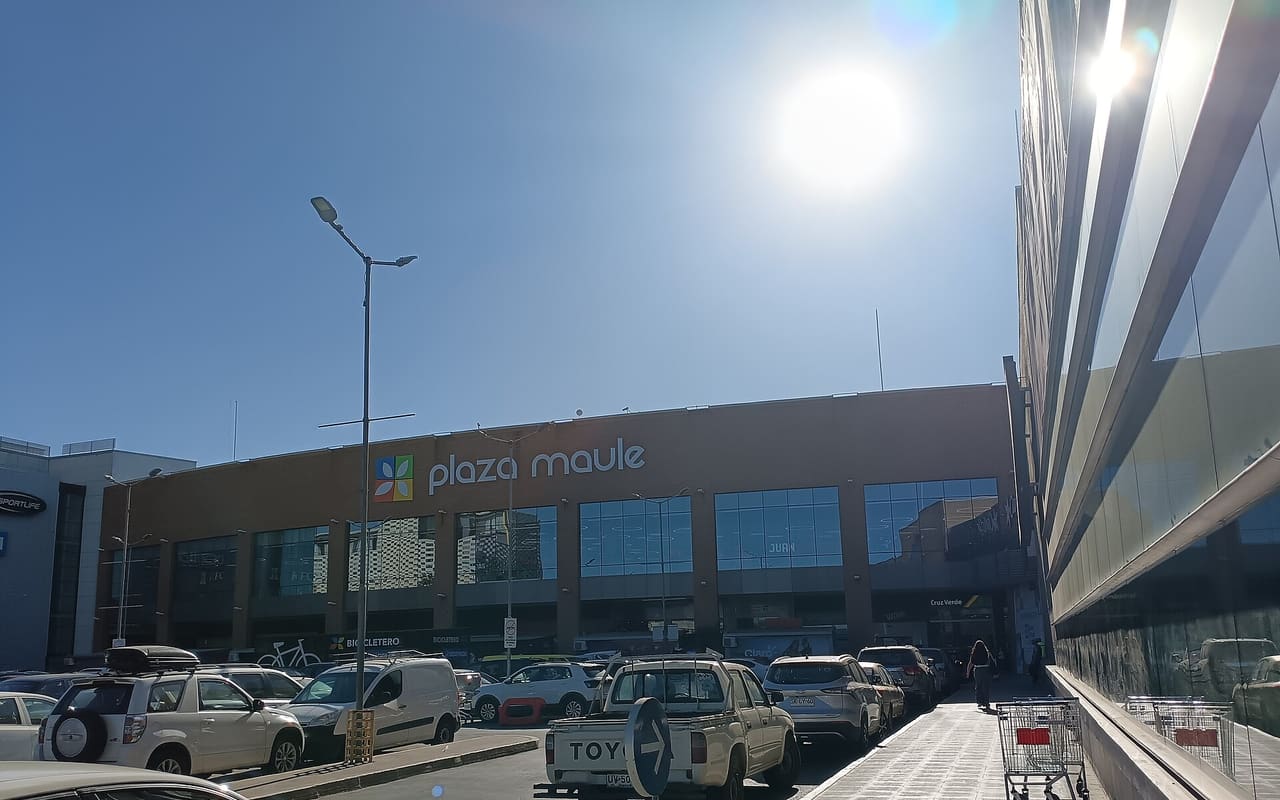
A guide to cinema in Talca: Cinépolis Plaza Maule, free film series at the University of Talca, the Felina Festival, screenings at the Teatro Regional del Maule and tips for going to the movies in Talca.
By Francisco Javier Morales
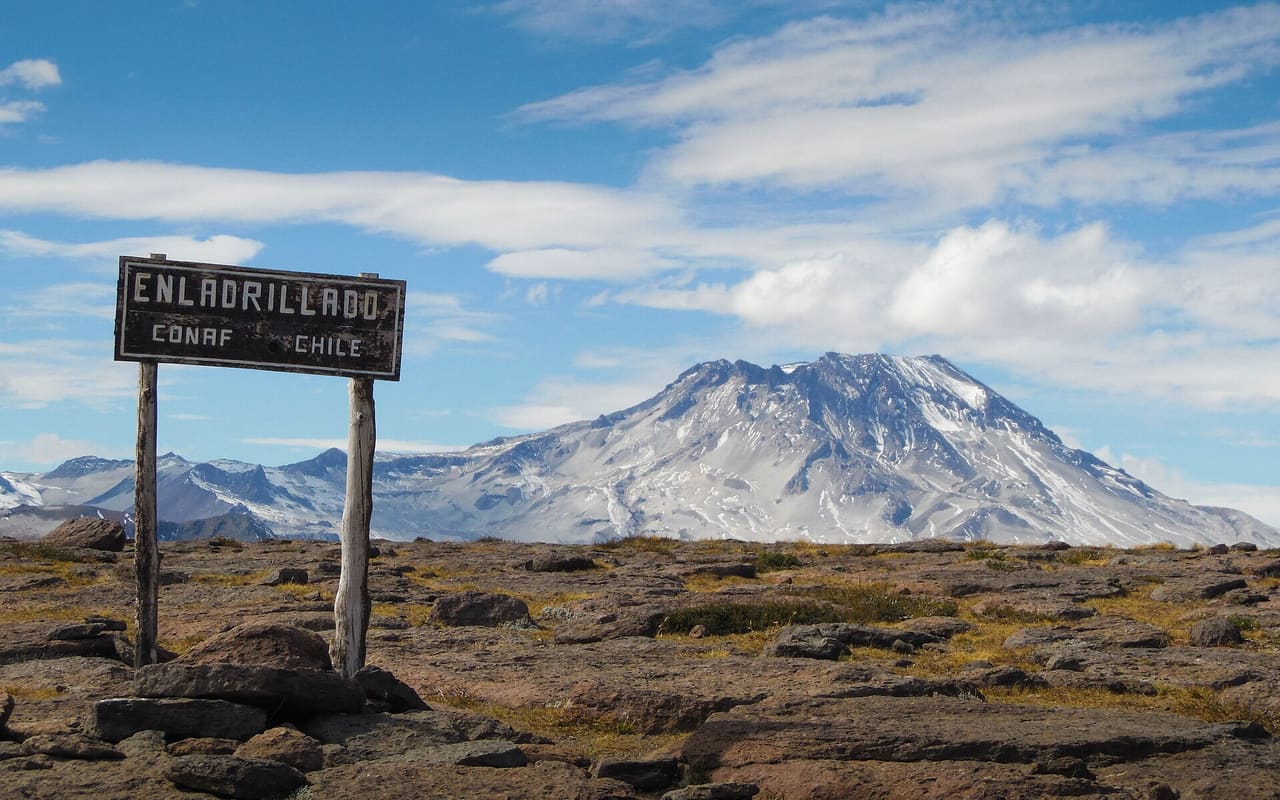
Altos de Lircay National Reserve: the complete travel guide from Talca
Guide to the Altos de Lircay National Reserve, 70 km from Talca, Chile: how to get there by car or bus, trails such as El Enladrillado and Laguna del Alto, fees, opening hours, camping and what to bring to this Andean gem of the Maule Region.
By Francisco Javier Morales
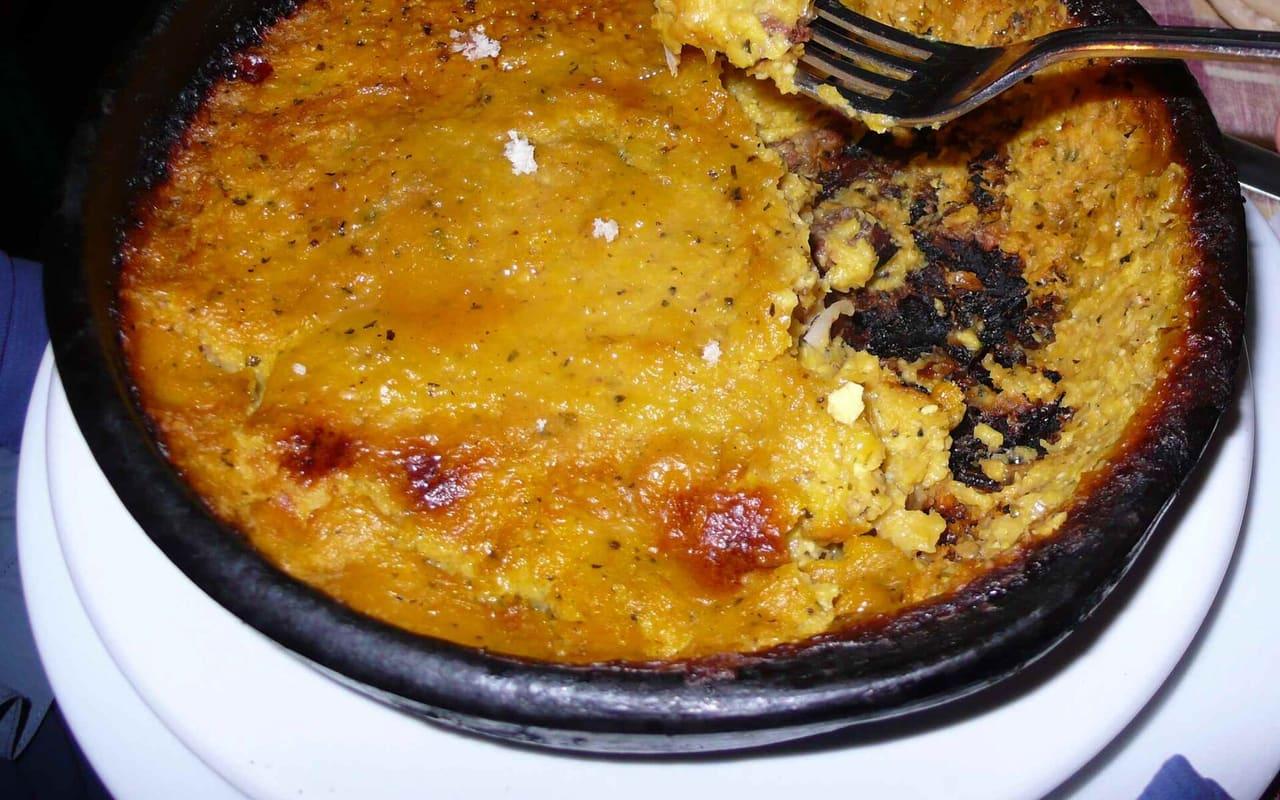
Restaurants and bars in Talca for a special dinner
From traditional grills to bars serving Maule wines: here's what to look for in Talca restaurants and bars so your next special dinner is a success.
By Francisco Javier Morales